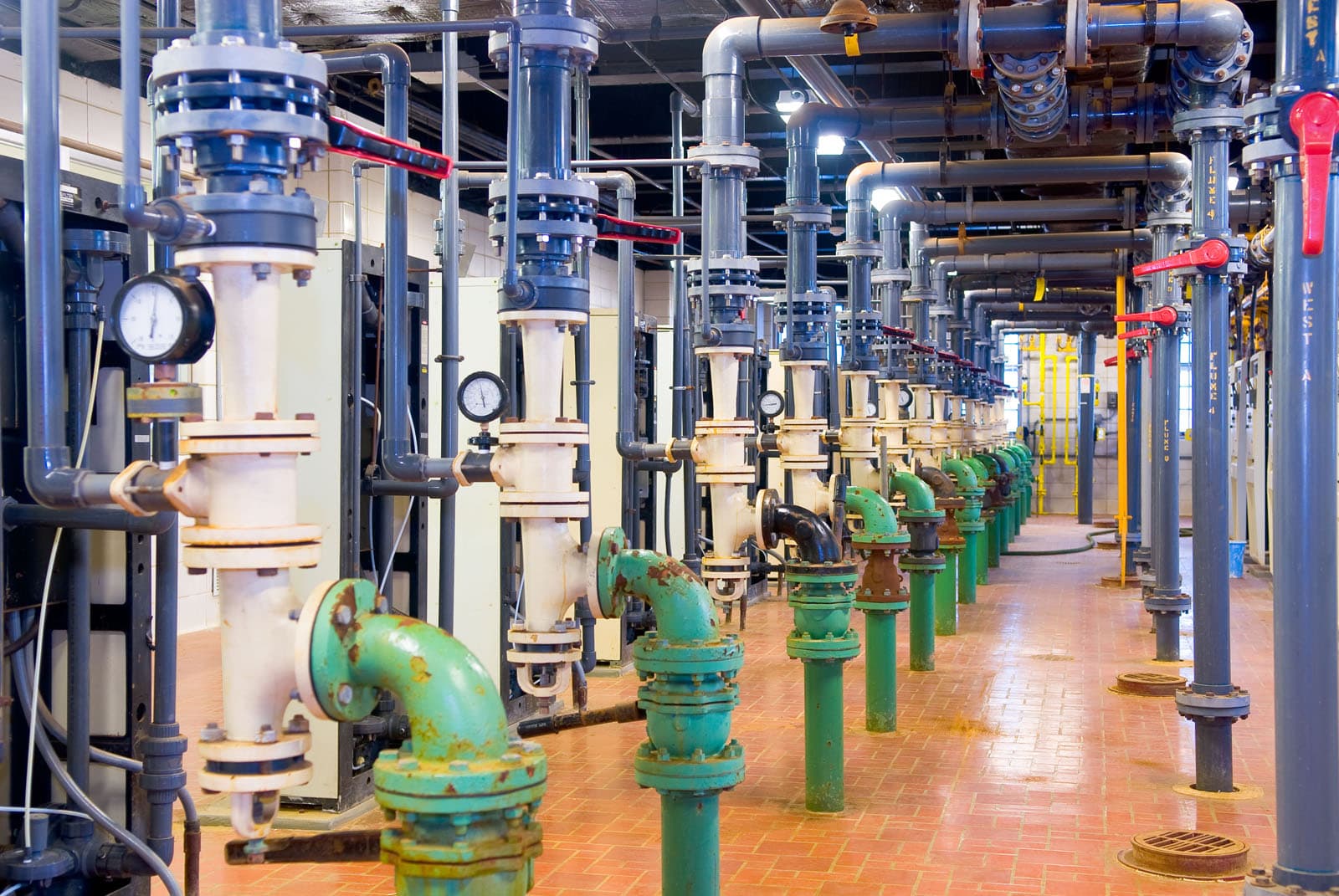
Start with the jobs utilities actually post
Search for trainee and helper roles before searching only for licensed operator jobs. Useful titles include operator trainee, water treatment trainee, utility worker, plant attendant, maintenance helper, meter reader, distribution helper, and public works technician.
A no-experience candidate usually wins by showing reliability, mechanical curiosity, safety awareness, and willingness to work shifts or outdoor routes. Your first job may not be the exact plant role you want, but it can put you inside the utility system.
Learn your state certification path early
Each state has its own operator certification rules. Some allow you to take an entry-level exam before you have full experience; others require employment or documented operating experience first.
Before applying, find your state certifying agency, note the entry-level grade, exam vendor, application requirements, and whether operator-in-training status is available.
Build proof that you can handle the work
Utilities care about showing up, following procedures, reading gauges, recording data, noticing abnormal conditions, and working safely around chemicals, pumps, confined spaces, traffic, and electrical equipment.
If your background includes maintenance, construction, military service, farming, manufacturing, lab work, customer service, or public works, translate it into operator language on your resume.
Use exam prep as a signal, not just a test tactic
Even before you are eligible for every exam, learning basic treatment, distribution, wastewater, collection, and math terms helps you interview better.
A hiring manager does not expect a beginner to know everything. They do notice when a candidate can explain why turbidity, chlorine residual, pumps, valves, and safety checks matter.