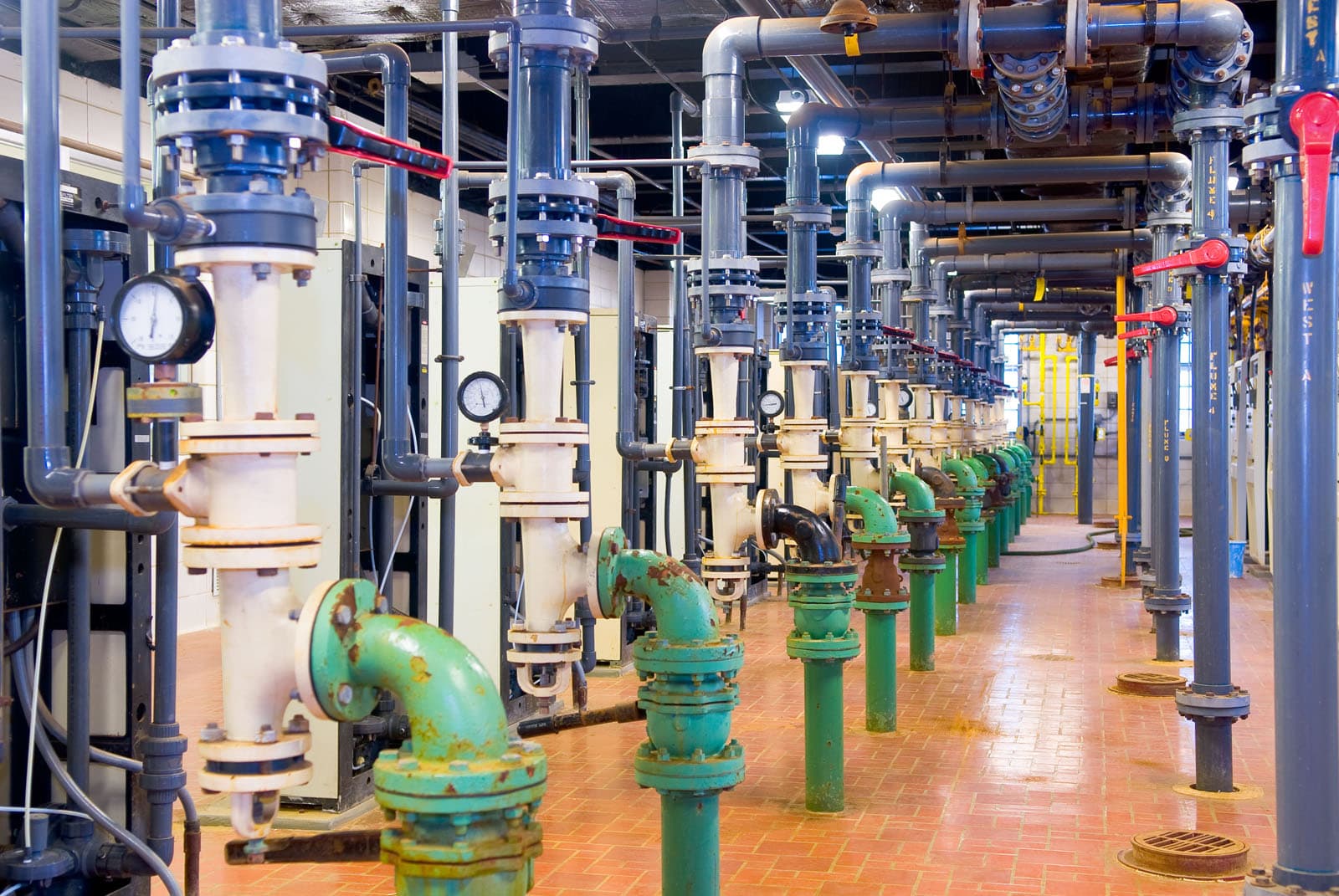
Check the system
Operators read instruments, inspect equipment, check tank levels, review alarms, look at flows, and compare current conditions to normal ranges.
A quiet shift still matters because the operator is confirming that the process is stable.
Collect samples and run tests
Depending on the role, operators may check chlorine residual, pH, turbidity, temperature, dissolved oxygen, settleability, or other process and compliance measurements.
Sampling is not busywork. It helps prove water quality, catch changes early, and document compliance.
Operate and maintain equipment
Operators may start pumps, adjust chemical feed, backwash filters, open valves, flush mains, clean wet wells, inspect manholes, or coordinate repairs.
Some work is hands-on; some is computer-based control room monitoring. Many jobs include both.
Write down what happened
Logs, lab sheets, maintenance records, work orders, and regulatory reports are part of the job. If it is not documented, it is hard to prove what happened.
Good operators notice trends, not just isolated readings.